
How Much Does It Cost to Renovate a House in Toronto in 2027? Complete Homeowner's Guide
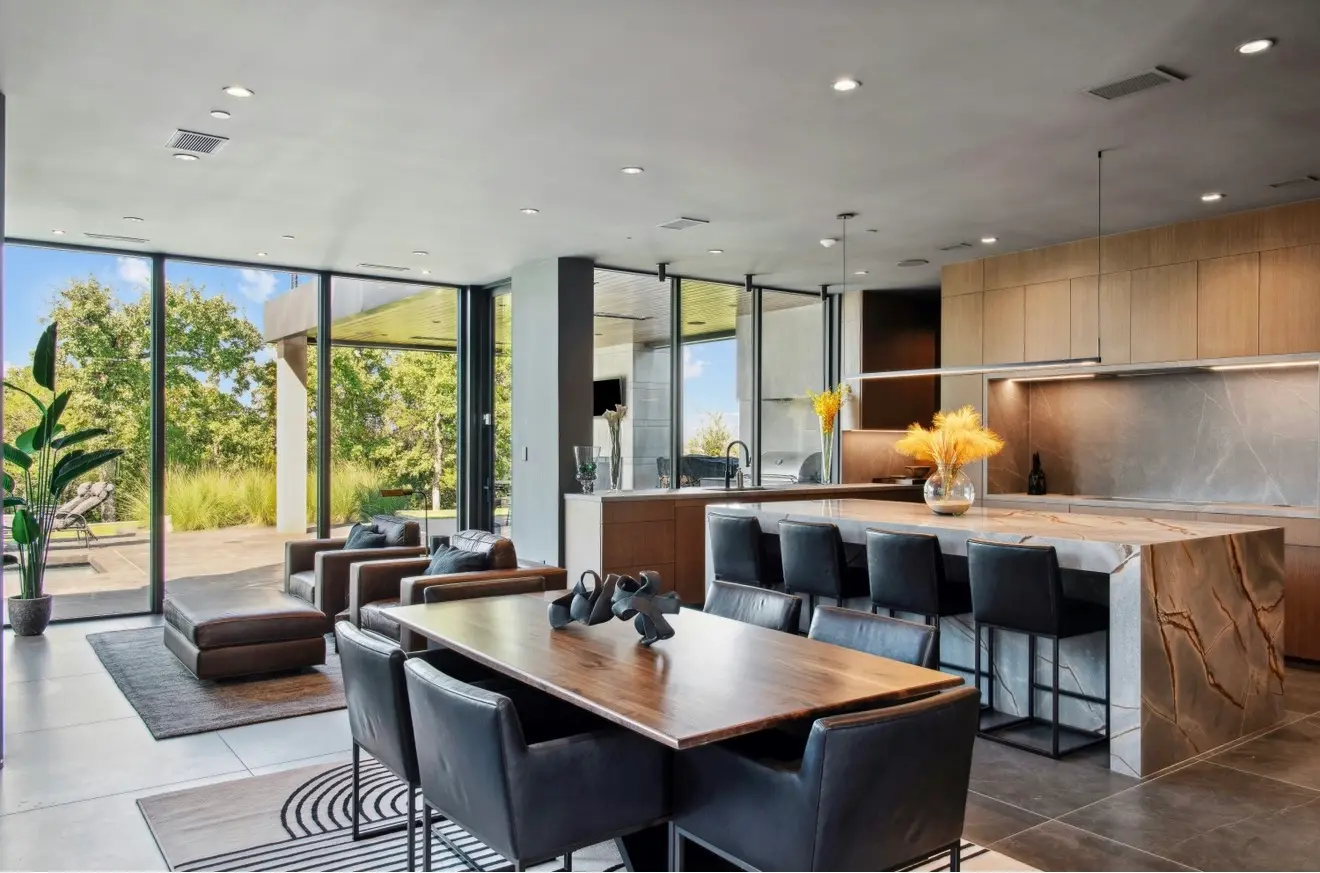
 Planning a home renovation in Toronto? Whether you're updating an outdated kitchen, remodeling a bathroom, finishing a basement, or transforming an entire house, one question usually comes first: How much will it cost?
The answer depends on much more than square footage.
Two houses of similar size can require completely different budgets depending on their condition, layout, structural requirements, plumbing, electrical systems, and finishing materials.
At RM Renovation, we work with homeowners throughout Toronto and the Greater Toronto Area (GTA) on residential projects ranging from individual room upgrades to complete property transformations.
In this guide, we'll break down home renovation costs in Toronto, explain what affects pricing, and share practical advice to help you plan your renovation with confidence.
1. Home Renovation Costs in Toronto: 2027 Price Guide
The average home renovation cost in Toronto varies significantly depending on the type of project.
A cosmetic renovation involving painting and flooring is very different from a major remodel requiring structural modifications, plumbing relocation, electrical upgrades, and custom cabinetry.
Estimated Renovation Costs in Toronto and the GTA
| Renovation Type | Estimated Cost (CAD) |
|---|---|
| Kitchen Renovation | $15,000–$50,000+ |
| Bathroom Renovation | $10,000–$30,000+ |
| Basement Renovation | $20,000–$100,000+ |
| Condominium Renovation | $15,000–$80,000+ |
| Whole-Home Renovation | $100,000–$500,000+ |
| Home Addition | $100,000–$300,000+ |
These are preliminary planning ranges, not guaranteed quotations or verified 2027 market averages. The condominium range is an additional budgeting estimate. Actual costs depend on project size, existing conditions, materials, structural requirements, and the scope of work. HST, permits, engineering, and design services may be additional.
What Affects House Renovation Costs?
The most significant factors include:
Structural modifications and load-bearing wall removal
Plumbing and drainage relocation
Electrical upgrades
HVAC modifications
Custom cabinetry and finishing materials
Hidden damage or outdated building systems
Construction access and logistics
How Much Does a Home Renovation Cost Per Square Foot?
Homeowners often search for house renovation cost per square foot in Toronto, hoping to calculate a budget by multiplying their home's size by an average rate.
However, square footage alone can be misleading.
Renovating a 1,000-square-foot basement is not comparable to remodeling 1,000 square feet of kitchens, bathrooms, and living areas.
Wet areas, structural work, and custom finishes can significantly increase costs.
A detailed home renovation estimate in Toronto should therefore be based on the actual scope of work rather than a generic square-foot price.
Working with an experienced home renovation contractor in Toronto can help identify potential complications before construction begins.
2. Kitchen Renovation Cost in Toronto: What Should You Expect?
The kitchen is one of the most frequently used spaces in a home.
A well-planned renovation can improve functionality, increase storage, and create a more comfortable living environment.
The cost of remodeling a kitchen in Toronto depends on the layout, cabinetry, countertops, appliances, and the amount of plumbing or electrical work required.
Common Kitchen Renovation Work
Demolition and disposal
Cabinet supply and installation
Countertop fabrication and installation
Backsplash installation
Plumbing modifications
Electrical outlets and lighting
Flooring replacement
Drywall repairs and painting
Is Changing the Kitchen Layout Worth It?
Maintaining the existing layout can help reduce costs.
However, older homes sometimes have enclosed kitchens that homeowners want to connect with dining or living areas.
Removing a wall can improve the flow of the space, but structural modifications require proper evaluation.
A load-bearing wall may require engineered supports, building permits, and additional framing work.
Contractor's Tip: Prioritize quality cabinetry, practical storage, and an efficient layout before spending heavily on decorative upgrades.
Explore our kitchen renovation services in Toronto to learn more about kitchen remodeling options.
3. Bathroom Renovation Cost in Toronto: Why Proper Waterproofing Matters
A bathroom renovation involves more than selecting tile and modern fixtures.
Proper plumbing, waterproofing, ventilation, and substrate preparation are essential to long-term performance.
Popular Bathroom Improvements
Large-format porcelain tile
Heated tile flooring
Floating vanities
Recessed shower niches
Modern shower systems
LED mirrors
Improved exhaust ventilation
What Can Make a Bathroom Renovation More Expensive?
Relocating plumbing, repairing water damage, changing the shower layout, or installing premium finishes can increase the cost.
For example, the walk-in shower renovation cost may include plumbing adjustments, shower base construction, waterproofing, tile installation, and glass enclosure installation.
Why Is Waterproofing So Important?
A newly renovated shower can look excellent while concealed installation problems eventually cause moisture damage.
Correct substrate preparation, suitable waterproofing systems, properly sloped shower floors, and appropriate drain connections are essential.
Contractor's Tip: When comparing estimates, ask what waterproofing system is included and whether the price covers plumbing modifications, shower construction, and glass installation.
Discover our bathroom renovation services in Toronto for professional remodeling solutions.
4. Basement Renovation Cost in Toronto: What Drives the Price?
Finishing a basement can create additional living space without expanding the home's exterior footprint.
Depending on the layout and applicable requirements, homeowners may create a family room, home office, gym, guest bedroom, laundry room, or additional bathroom.
However, basement finishing costs in Toronto can vary substantially.
Major Basement Cost Factors
Plumbing and drainage: Adding a bathroom or kitchen may require cutting concrete and installing underground drainage lines.
Ceiling height: Ductwork, beams, and existing plumbing can affect the finished ceiling height.
Framing: New partitions may be required for bedrooms, bathrooms, storage rooms, and mechanical areas.
Electrical and HVAC: New rooms need appropriate lighting, outlets, heating, and ventilation.
Moisture protection: Foundation leaks and moisture problems should be addressed before installing finishes.
Basement Finishing Cost Per Square Foot
Homeowners frequently compare basement estimates using a basement finishing cost per square foot.
This can be useful for preliminary budgeting, but it doesn't account for differences in plumbing, ceiling height, layout, or the number of bathrooms and kitchens.
Practical Example: A Partially Framed Basement
Imagine a basement where the exterior walls have already been framed and insulated.
Although this reduces some work, the remaining project may still require interior partitions, ceiling bulkheads, plumbing, electrical installation, HVAC modifications, drywall, flooring, doors, trim, and painting.
If a proposed kitchen or laundry area is located 20–25 feet from a suitable drainage connection, installing the required plumbing may involve extensive concrete cutting and excavation.
Contractor's Tip: Before preparing a basement budget, evaluate drainage locations, ceiling height, moisture conditions, and mechanical systems. These factors often matter more than the amount of existing framing.
Learn more about our basement renovation and finishing services in Toronto.
5. Condo Renovation Cost in Toronto: Understanding Building Restrictions
Condominium renovations require additional coordination because units are part of a shared building.
Property management or the condominium corporation may impose restrictions on construction hours, flooring materials, plumbing modifications, and access to common areas.
Common Condo Renovation Requirements
Management approval
Restricted construction hours
Service elevator reservations
Protection of common areas
Acoustic underlayment requirements
Contractor insurance documentation
Construction waste removal procedures
Which Condo Upgrades Are Worth Considering?
Kitchen cabinetry, bathroom modernization, flooring replacement, lighting improvements, and custom storage can make a condominium more comfortable and functional.
Contractor's Tip: Review the building's renovation policies before ordering materials. Flooring and plumbing restrictions can affect both the budget and construction schedule.
Explore our condominium renovation services in Toronto.
6. Whole House Renovation Cost in Toronto: Renovate Everything at Once?
When multiple rooms require substantial improvements, completing the work as one coordinated project may be more efficient than renovating each room separately.
A full home renovation cost depends on the size of the property, its condition, and the number of systems and rooms being upgraded.
A whole-home renovation can include kitchen and bathroom remodeling, flooring replacement, staircase refinishing, electrical improvements, plumbing modifications, and interior painting.
Advantages of a Coordinated Renovation
Consistent design throughout the property
Better scheduling of related trades
Reduced duplicated demolition and finishing work
Improved coordination of structural and mechanical changes
A more predictable overall construction sequence
Practical Example: Renovating a Two-Storey House
Consider a property requiring a new kitchen, two bathroom upgrades, new flooring on both levels, staircase refinishing, and painting.
Completing these projects separately may require repeated site preparation, deliveries, drywall repairs, and finishing.
Coordinating the work can improve efficiency, although it also requires a larger upfront budget.
Contractor's Tip: If several rooms need substantial renovation, evaluate the entire property before deciding whether to complete the work in stages.
Discover our whole home renovation services in Toronto.
7. Home Addition Cost in Toronto: Expand Instead of Moving
When the existing house doesn't provide enough space, an addition may be an alternative to purchasing another property.
Common projects include rear extensions, side additions, second-storey additions, and expanded kitchens or living areas.
The house extension cost in Toronto depends on the type of addition, foundation requirements, structural design, and finishing materials.
What Affects Home Addition Costs?
Excavation and foundation construction
Structural framing
Roofing and exterior cladding
Windows and doors
Insulation
Electrical and plumbing extensions
HVAC modifications
Interior finishing
Architectural and engineering requirements
Municipal zoning regulations may restrict setbacks, lot coverage, building height, and other construction details.
Contractor's Tip: Confirm zoning feasibility and structural requirements before investing in detailed design work.
Explore our home addition and house extension services in Toronto.
8. Home Renovation Budget Planning: How Much Should You Set Aside?
Some renovation problems cannot be fully identified until demolition begins.
Hidden water damage, deteriorated framing, outdated wiring, plumbing deficiencies, or uneven subfloors can affect the final cost.
For many renovation projects, a contingency allowance of approximately 10–20% can be a useful starting point. Older properties or complex structural projects may require more.
Example Renovation Budget
| Budget Item | Amount |
|---|---|
| Construction estimate | $80,000 |
| Contingency (15%) | $12,000 |
| Preliminary budget | $92,000 |
This example excludes any applicable taxes, permit fees, design services, or other costs not included in the construction estimate.
A contingency is a financial reserve, not an amount that must automatically be spent.
9. How to Save Money on Home Renovation Without Sacrificing Quality
The best renovation savings often come from thoughtful planning rather than selecting the cheapest materials.
Keep Plumbing Locations Where Practical
Relocating kitchens, bathrooms, or laundry rooms can increase labour and material costs.
Finalize the Design Before Construction
Late changes may affect framing, plumbing, electrical work, drywall, and finishes.
Choose Durable, Practical Materials
Quality porcelain tile, reliable cabinetry, and durable flooring can offer long-term performance without requiring luxury pricing.
Coordinate Related Work
Combining flooring, painting, and other interconnected improvements may reduce duplicated labour.
Order Long-Lead Materials Early
Custom cabinetry, specialty glass, and certain finishing materials can affect the construction schedule.
Where You Should Never Cut Corners
Structural support, electrical safety, plumbing installation, waterproofing, moisture protection, and required permits or inspections should never be compromised simply to reduce the initial price.
10. Home Renovation Permits in Toronto: What Homeowners Should Know
Permit requirements depend on the scope of construction.
Cosmetic work such as painting or replacing cabinetry generally does not require a building permit.
However, structural modifications, additions, certain plumbing changes, and other regulated work may require municipal approval.
Electrical work is regulated separately through Ontario's Electrical Safety Authority.
When hiring someone to perform electrical work, homeowners should confirm that the work will be completed by a Licensed Electrical Contractor and that required notifications and inspections will be arranged.
For official guidance, consult the City of Toronto's building permit resources and the Electrical Safety Authority.
Requirements vary by municipality and project scope, so confirm the applicable rules before construction begins.
11. Renovate or Move in Toronto: Which Option Makes More Sense?
Before investing in a major project, consider whether improving the existing property is the best long-term decision.
Renovating may make sense when you like your neighbourhood, the structure is suitable, and the main problems involve outdated layouts or finishes.
Building an addition may be appropriate when additional space is required and the property can accommodate expansion.
Moving may be worth considering when the existing property cannot meet your needs or the required construction would be financially impractical.
When comparing these options, consider financing, moving expenses, property transaction costs, construction disruption, and long-term value.
12. Best Renovations to Increase Home Value
The financial return from a renovation depends on the property's condition, location, local market, and total construction cost.
No improvement guarantees a specific return on investment.
However, several projects can enhance functionality and buyer appeal.
Kitchen improvements: Updated cabinetry, practical layouts, durable countertops, and good lighting.
Bathroom upgrades: Modern fixtures, proper waterproofing, and attractive finishes.
Finished basements: Additional usable living space.
Flooring replacement: Consistent, durable flooring throughout the property.
Energy-efficiency improvements: Better insulation, windows, and suitable mechanical upgrades.
Whole-home modernization: Coordinated improvements to outdated interiors and building systems.
The goal should be to improve the property in a way that makes practical and financial sense.
13. Home Renovation Services Across Toronto and the GTA
RM Renovation provides professional residential renovation services throughout Toronto and the surrounding Greater Toronto Area.
We work with homeowners across a variety of property types, including detached houses, semi-detached homes, townhouses, bungalows, and condominium units.
Our Service Areas
Every property presents different construction conditions, design opportunities, and renovation requirements.
Whether you're planning a bathroom remodel, kitchen renovation, basement finishing project, or complete home transformation, our goal is to develop practical solutions based on your property's existing condition and your renovation priorities.
14. How to Choose a Renovation Contractor in the GTA
Selecting a contractor is one of the most important decisions in any renovation project.
Before proceeding, consider:
Experience with similar projects
Examples of completed work
Detailed written estimates
Clearly defined construction scope
Material allowances and exclusions
Appropriate insurance coverage
Required permits and inspections
Communication and scheduling expectations
Transparent payment terms
A reliable contractor should explain what is included in the estimate, identify potential complications, and establish realistic expectations.
At RM Renovation, we focus on clear communication, practical planning, and quality workmanship throughout the renovation process.
15. Home Renovation Checklist Before Starting Construction
Before starting your project, make sure you can answer these questions:
Have I defined the complete scope of work?
Do I have a realistic construction budget?
Have I included a contingency allowance?
Are structural modifications required?
Will plumbing or electrical systems need changes?
Have permit and inspection requirements been reviewed?
Have I selected major finishing materials?
Are long-lead items accounted for?
Do I understand the construction schedule?
Does the estimate clearly identify allowances and exclusions?
Have payment terms been established?
Can I remain in the property during construction?
Answering these questions before demolition can help prevent expensive surprises.
Final Thoughts: Plan Your Renovation Around Value, Not Just Price
A successful home renovation isn't necessarily the most expensive one.
It's a project that improves functionality, addresses existing problems, and delivers lasting value through thoughtful design and proper construction.
Whether you're updating a kitchen, remodeling a bathroom, finishing a basement, renovating a condominium, transforming an entire house, or planning an addition, understanding the scope and budget is the foundation of a successful project.
Planning a Home Renovation in Toronto or the GTA?
RM Renovation provides professional residential renovation services throughout the Greater Toronto Area.
Tell us about your project, the type of property, and the improvements you're considering. We can discuss the scope and next steps toward preparing an estimate.
RM Renovation
Phone: 416-879-2717
Website: https://renovationrm.ca
Frequently Asked Questions About Home Renovation Costs in Toronto
How much does it cost to renovate a 2,000-square-foot house in Toronto?
The cost depends on how much of the property is being renovated and whether structural, plumbing, or electrical modifications are required. Square footage alone is not enough to produce a reliable estimate.
Is $100,000 enough for a home renovation?
A $100,000 budget may cover substantial improvements depending on the scope and existing conditions. Major structural work, multiple bathrooms, custom cabinetry, and premium finishes can increase costs significantly.
What is the most expensive part of a home renovation?
Structural modifications, extensive plumbing and electrical work, custom cabinetry, and premium finishes can be major cost drivers. The most expensive component varies by project.
How long does a whole home renovation take?
Major renovations can take several months or longer, depending on the scope, permits, inspections, material availability, and construction schedule.
Does finishing a basement increase home value?
A properly finished basement can improve usable living space and buyer appeal. The financial return depends on construction quality, permitted use, layout, and local market conditions.
Do I need a permit to remove a wall in Toronto?
Removing or modifying a wall may require a building permit, particularly when structural or material alterations are involved. The proposed work should be reviewed before demolition.
How much contingency should I include in my renovation budget?
Approximately 10–20% can be a useful preliminary planning allowance for many projects, although older properties and complex renovations may require more.
What is the best time of year to renovate a house in Toronto?
Interior renovations can be completed throughout the year. Exterior projects and additions may require additional planning around weather conditions, site access, and seasonal construction requirements.
How can I get an accurate home renovation quote in Toronto?
Start by defining your project scope, identifying your preferred materials, and arranging an assessment of the existing property. A detailed estimate should explain the included work, allowances, exclusions, and any additional requirements.
Written by Robert Milchevich, RM Renovation.