
Bathroom Renovation in Toronto: 10 Things Homeowners Should Know Before Starting
A bathroom renovation is one of the most effective ways to improve the comfort, functionality, and appearance of your home. However, a successful bathroom remodel requires much more than choosing attractive tiles, a modern vanity, or a stylish walk-in shower.
From waterproofing and plumbing to ventilation, layout planning, and construction costs, every decision can affect the quality and durability of your finished bathroom.
Whether you're planning a bathroom renovation in Toronto, updating an older bathroom in Etobicoke, or remodeling a family bathroom elsewhere in the GTA, understanding the renovation process can help you avoid expensive mistakes.
Here are ten important things homeowners should know before starting their next bathroom renovation.
1. Understand What Is Behind Your Bathroom Walls
One of the biggest uncertainties in bathroom remodeling is the condition of the existing construction.
During demolition, contractors may discover hidden water damage, deteriorated plumbing connections, damaged framing, or inadequate waterproofing from previous renovations.
These problems are especially important to consider in older homes that have undergone multiple renovations.
For homeowners planning a bathroom renovation in Etobicoke, inspecting the existing bathroom structure during demolition can help identify necessary repairs before new materials are installed.
Professional tip: Keep a contingency allowance for hidden conditions that cannot be confirmed before demolition.
2. Waterproofing Is More Important Than Expensive Tiles
Many homeowners focus on selecting beautiful porcelain or ceramic tiles, but the most important part of a shower is often hidden behind the finished surface.
Tiles and grout alone do not create a complete waterproofing system.
A properly constructed shower requires suitable substrates, compatible waterproofing materials, and careful sealing around corners, niches, joints, and plumbing penetrations.
Waterproofing should be planned before tile installation and completed according to the selected system's requirements.
A well-designed bathroom should not only look beautiful when the renovation is completed but also remain reliable for years.
3. Decide Whether to Keep or Change the Existing Layout
Changing the bathroom layout can improve functionality, but it may also increase renovation costs.
Relocating a toilet, shower, or bathtub can require modifications to drain lines, water supply pipes, venting, and sometimes the floor structure.
Before making major changes, consider whether the existing layout can be improved without relocating every fixture.
For example, replacing a traditional bathtub with a walk-in shower may create a more open and contemporary appearance while maintaining much of the existing plumbing configuration.
Homeowners considering a bathroom remodel in Mississauga should discuss layout options with their contractor before purchasing fixtures.
Cost-saving tip: Keeping major plumbing fixtures in their existing locations can often reduce construction complexity.
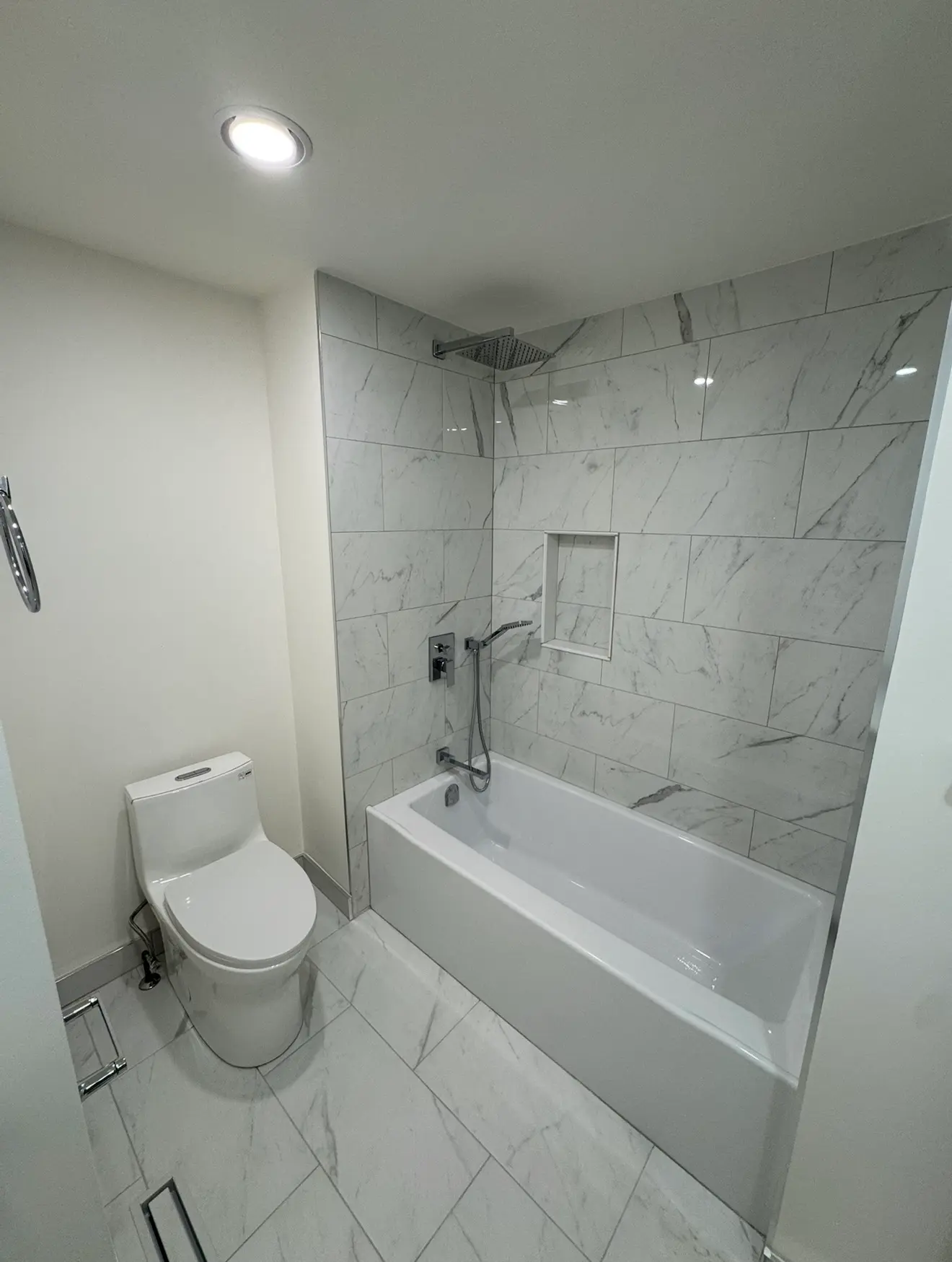
4. Choose the Right Shower Design
Walk-in showers are increasingly popular in modern bathroom remodeling.
They can make a bathroom feel more spacious and may offer improved accessibility compared with traditional bathtub configurations.
However, proper shower construction requires careful attention to drainage, waterproofing, floor slope, and glass installation.
A curbless shower may require additional preparation depending on the existing floor structure and drainage configuration.
Homeowners should also consider shower size, glass door clearance, storage niches, and the location of shower controls.
The best shower design combines appearance, comfort, and practical construction requirements.
5. Don't Overlook Bathroom Ventilation
Moisture control is essential in every bathroom.
Without adequate ventilation, humidity from showers and baths can contribute to condensation, peeling paint, and mould growth.
An effective exhaust fan should be appropriately sized for the room and properly ducted to the exterior.
Simply replacing an old fan with a new one may not solve ventilation problems if the existing ductwork is inadequate.
When planning a bathroom renovation in Burlington, homeowners should include ventilation in the initial renovation scope rather than treating it as an afterthought.
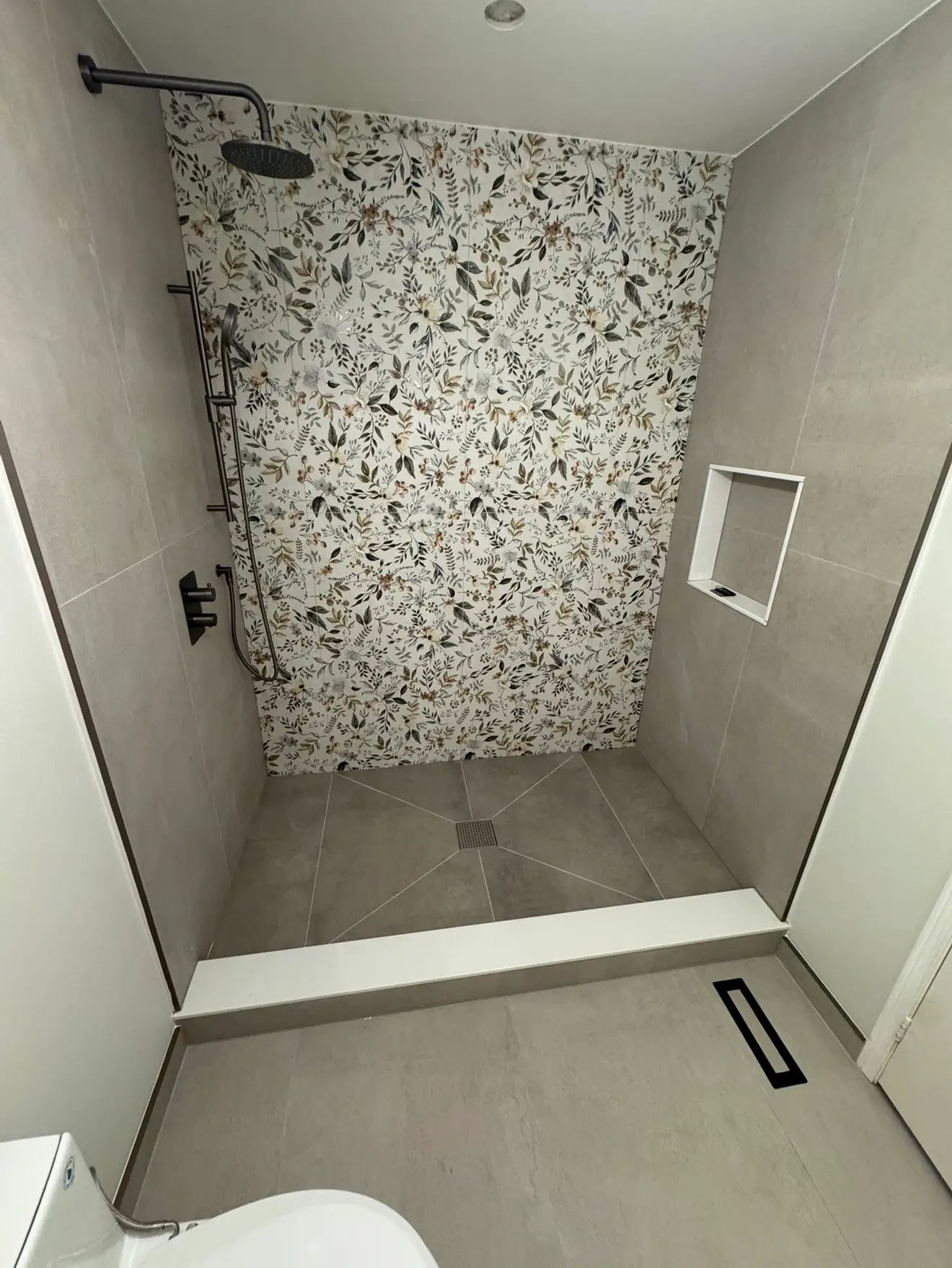
6. Select Bathroom Materials for Durability
Bathroom materials must withstand regular exposure to moisture, temperature changes, and daily use.
Porcelain tiles are a popular choice for bathroom floors and shower walls because of their durability and range of available finishes.
However, the suitability of a tile also depends on its intended application, slip resistance, installation requirements, and maintenance needs.
Other important considerations include vanity construction, countertop materials, faucets, shower fixtures, and grout selection.
Choosing the most expensive products does not automatically guarantee the best result.
Instead, focus on materials that are appropriate for their location, compatible with the installation system, and suitable for your household.
7. Plan Bathroom Storage Before Construction
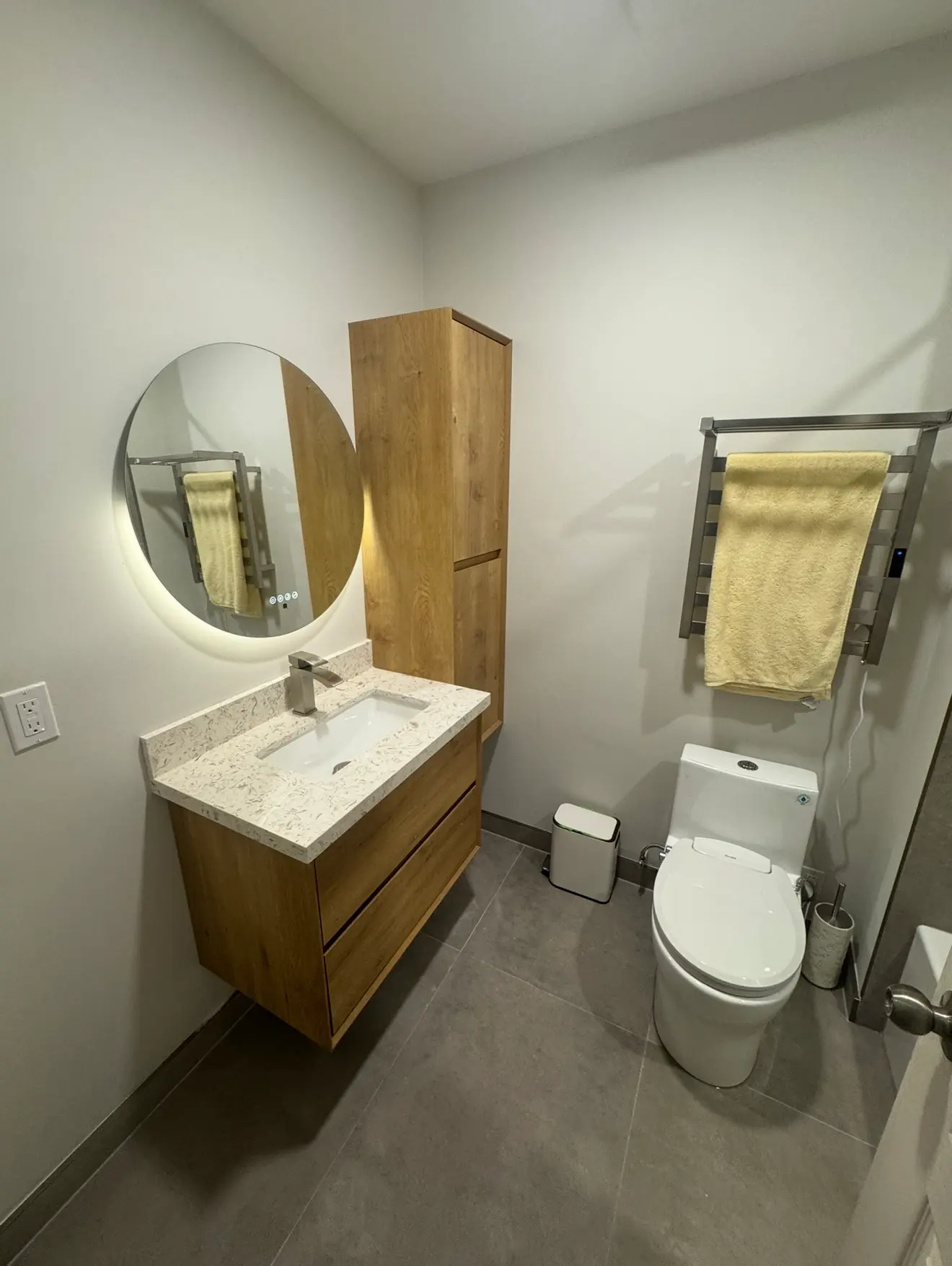
Storage is often overlooked during bathroom renovations.
A bathroom may look spacious in a design rendering but become cluttered once towels, toiletries, cleaning supplies, and personal items are added.
Practical storage options include vanity drawers, recessed shower niches, medicine cabinets, and wall-mounted cabinetry.
For smaller bathrooms, selecting a vanity with the right dimensions can provide additional storage without restricting movement.
Good storage planning can improve both the appearance and everyday functionality of the finished bathroom.
8. Understand Bathroom Renovation Costs in the GTA
The cost of a bathroom renovation depends on several factors, including room size, demolition requirements, plumbing modifications, waterproofing, tile selection, fixture quality, and overall project complexity.
For general budgeting purposes, a complete standard bathroom renovation in the Greater Toronto Area may cost approximately $15,000 to $30,000 or more.
More complex projects involving major layout changes, custom glass, premium materials, structural modifications, or extensive plumbing work may exceed this range.
These figures are broad planning estimates rather than fixed project prices.
Homeowners planning a bathroom renovation in Oakville should request a detailed estimate that clearly identifies included construction work, material allowances, and exclusions.
Budgeting tip: Consider reserving approximately 10–20% of the project budget for unexpected conditions, particularly in older homes.
9. Make Sure Plumbing and Electrical Work Are Properly Coordinated
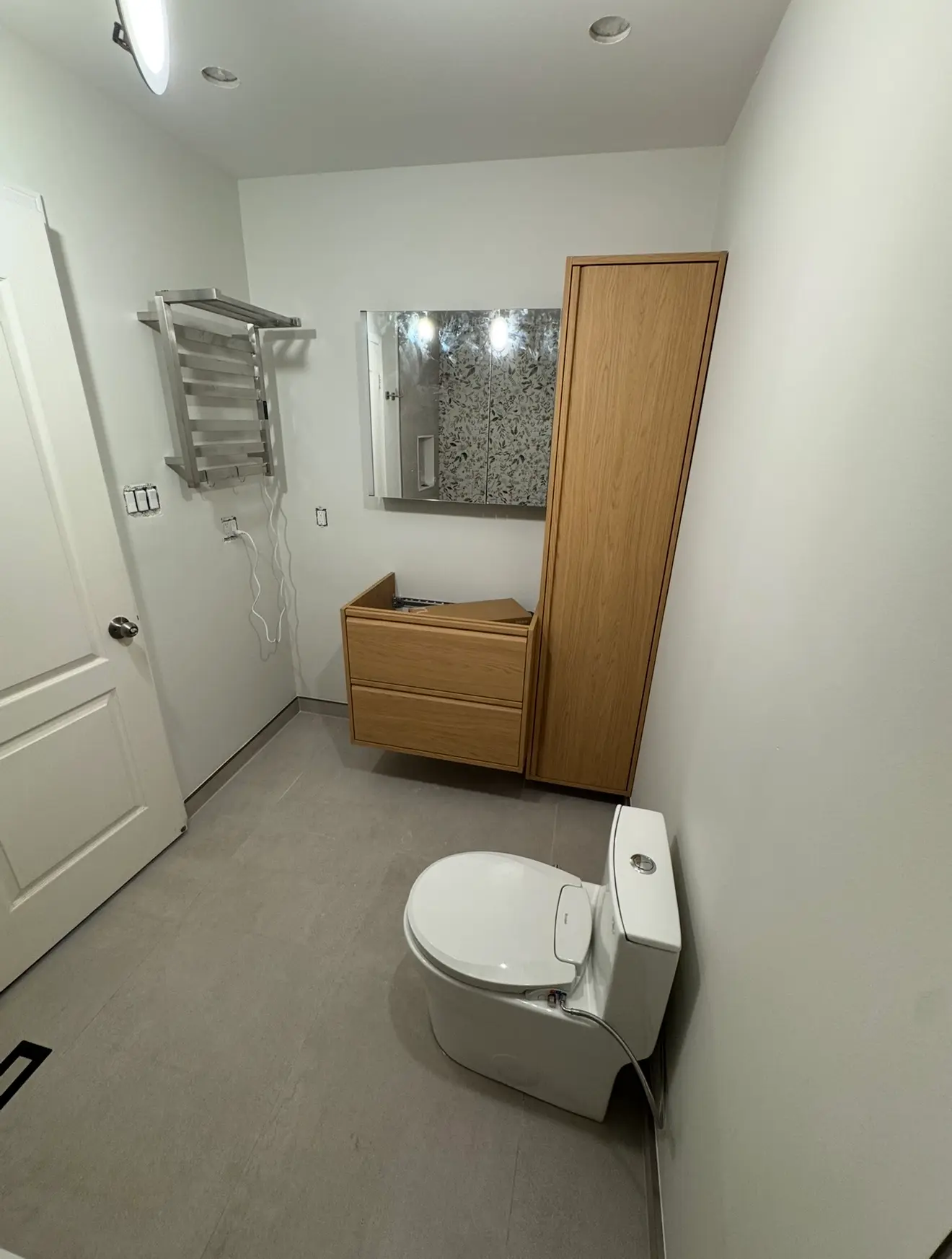
Bathroom renovations often involve plumbing and electrical modifications that need to be coordinated with demolition, framing, drywall, and tile installation.
Depending on the scope, work may include replacing plumbing connections, installing new shower valves, relocating outlets, adding lighting, and upgrading ventilation.
Electrical installation work in Ontario is subject to applicable Electrical Safety Authority requirements.
Building permits or other approvals may also be required depending on the nature of the renovation.
Planning these items before finishing work begins helps reduce unnecessary delays and rework.
10. Choose a Bathroom Renovation Contractor Carefully
A successful bathroom remodel depends on workmanship, communication, planning, and attention to detail.
Before hiring a contractor, request a written estimate that explains the project scope.
Make sure you understand which materials are included, who supplies finishing fixtures, how unexpected repairs are handled, and what the anticipated construction schedule looks like.
It is also useful to review previous renovation projects and discuss the contractor's approach to waterproofing, plumbing, ventilation, and surface preparation.
For homeowners considering a bathroom renovation in Vaughan, selecting a contractor who understands both the visible finishes and the underlying construction is an important part of the decision.
Frequently Asked Questions About Bathroom Renovations
How long does a bathroom renovation take in Toronto?
Many standard bathroom renovations take approximately two to four weeks of on-site construction. The timeline can vary depending on the project scope, inspections, custom materials, and unexpected repairs.
Is a walk-in shower better than a bathtub?
It depends on the household's needs. Walk-in showers can offer easier access and a modern appearance, while bathtubs may be more practical for families with young children or homeowners who regularly take baths.
Can I renovate my bathroom without moving the plumbing?
Yes. Many bathroom renovations maintain the existing plumbing layout while replacing fixtures, tiles, cabinetry, lighting, and finishes. This approach can help control costs.
Do I need a permit for a bathroom renovation in Toronto?
Permit requirements depend on the work involved. Cosmetic upgrades may not require a building permit, while structural alterations and certain plumbing changes may require approvals. Electrical work must comply with applicable ESA requirements.
What is the most important part of a bathroom renovation?
While every stage matters, proper waterproofing, drainage, plumbing, ventilation, and substrate preparation are especially important for long-term durability.
Final Thoughts
A successful bathroom renovation is not just about creating a beautiful space. It is about improving comfort, functionality, and long-term reliability.
Careful planning, appropriate materials, professional installation, and realistic budgeting can help homeowners avoid costly problems and achieve better results.
Whether you're upgrading a small bathroom, converting a bathtub into a walk-in shower, or planning a complete bathroom remodel, understanding the construction process is the first step toward a successful project.
Professional Bathroom Renovation Services in Toronto and the GTA
RM Renovation provides residential bathroom renovation and remodeling services throughout Toronto, Etobicoke, Mississauga, Oakville, Burlington, Vaughan, and surrounding communities.
Our services include complete bathroom renovations, bathtub-to-shower conversions, tile installation, waterproofing, plumbing coordination, lighting upgrades, and custom bathroom improvements.
If you're planning a bathroom renovation, contact RM Renovation to discuss your project and request a detailed estimate.
Written by Robert Milchevich, RM Renovation.