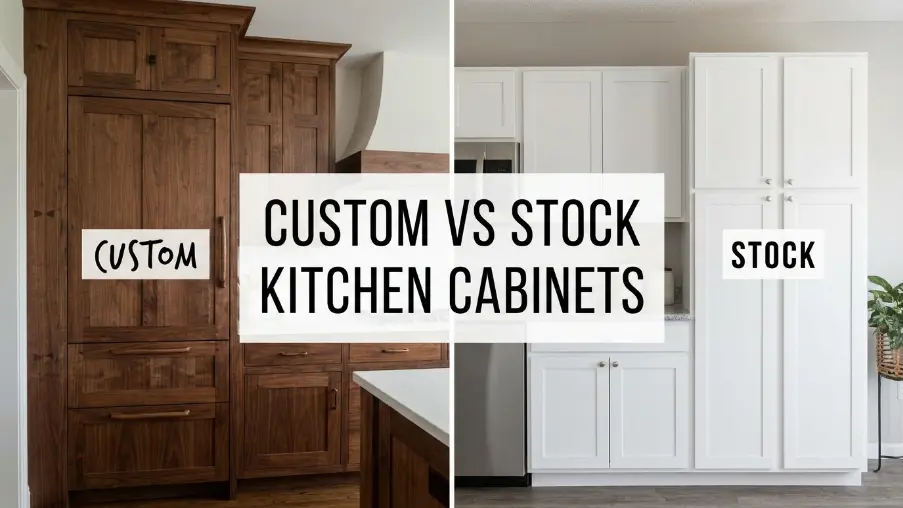
Homeowners across Toronto and the GTA planning upgrades in 2026 often begin with one critical question: what would be the bathroom renovation cost. In today’s market, most full renovations range between $12,000 and $30,000, depending on scope and finish level.
However, your home type and renovation goals matter more than averages. Condo owners face approval requirements, while detached homes may involve structural considerations. Likewise, layout changes and plumbing relocation significantly influence labour coordination and compliance costs.
Before selecting tile or fixtures, you need clarity on what truly drives pricing. When you understand the cost structure early, you avoid miscalculations and protect your investment. Read on to learn how to plan strategically.
How Much Does a Bathroom Renovation Cost in 2026?
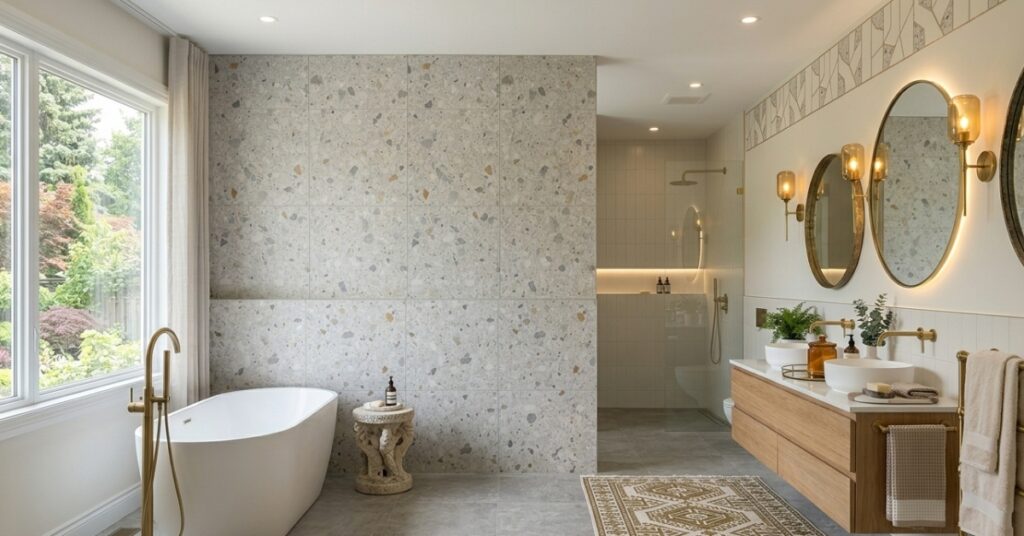
In 2026, you can expect to invest between $12,000 and $30,000 for a standard renovation in Toronto. If you are planning only cosmetic updates, your budget may start closer to $8,000.
However, once you move into custom finishes or layout changes, costs can exceed $50,000. So what drives that jump? First, consider bathroom renovation cost per square foot, which averages $150 to $250 in the GTA. Then, think about scope. For example, relocating drains increases the plumbing relocation cost of the bathroom immediately.
Likewise, large-format or natural stone tile raises the tile installation cost of the bathroom due to labor time. In addition, any electrical upgrade requires ESA notification in Ontario. If plumbing or structure changes, Toronto permits may apply.
Average Bathroom Renovation Cost by Size
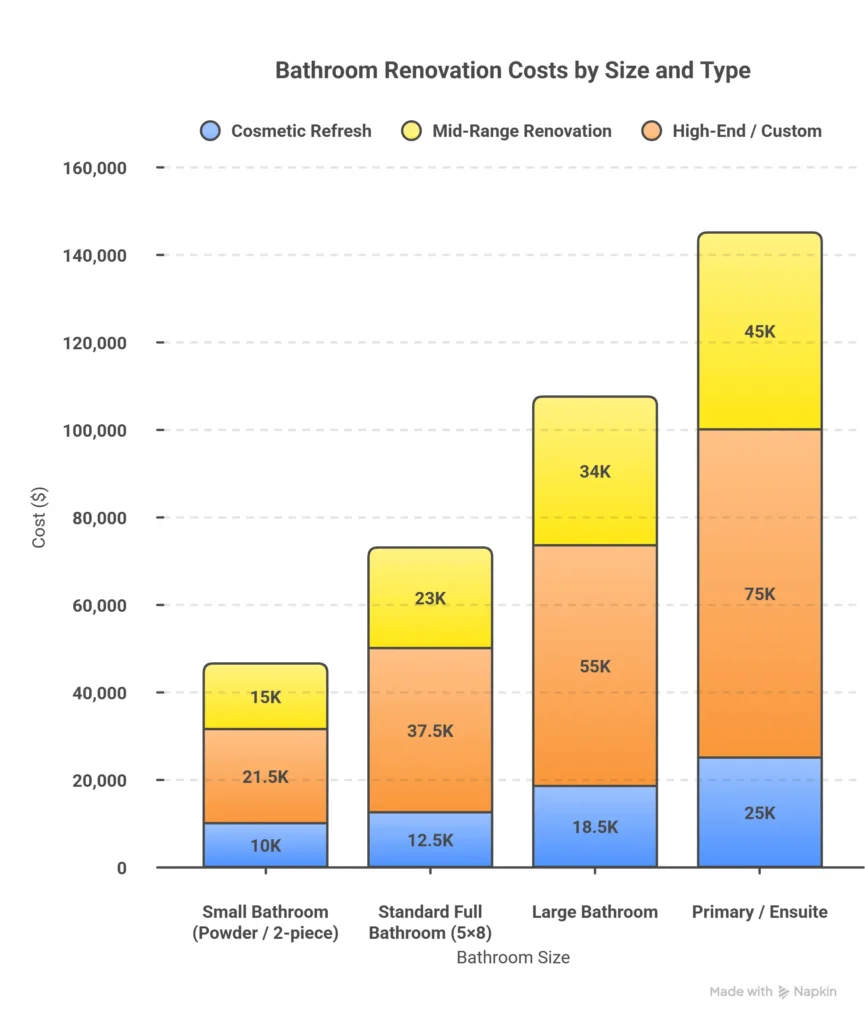
Bathroom size directly shapes your renovation budget. Larger spaces need more tile, longer plumbing runs, and extended labour hours. Therefore, understanding cost by square footage helps you plan realistically and avoid underestimating scope.
| Bathroom Size | Typical Square Footage | Cosmetic Refresh | Mid-Range Renovation | High-End / Custom |
| Small Bathroom (Powder / 2-piece) | 20–30 sq ft | $8,000 – $12,000 | $12,000 – $18,000 | $18,000 – $25,000 |
| Standard Full Bathroom (5×8) | 35–45 sq ft | $10,000 – $15,000 | $18,000 – $28,000 | $30,000 – $45,000 |
| Large Bathroom | 50–70 sq ft | $15,000 – $22,000 | $28,000 – $40,000 | $45,000 – $65,000+ |
| Primary / Ensuite | 70–120+ sq ft | $20,000 – $30,000 | $35,000 – $55,000 | $60,000 – $90,000+ |
Average Bathroom Renovation Cost by Bathroom Type
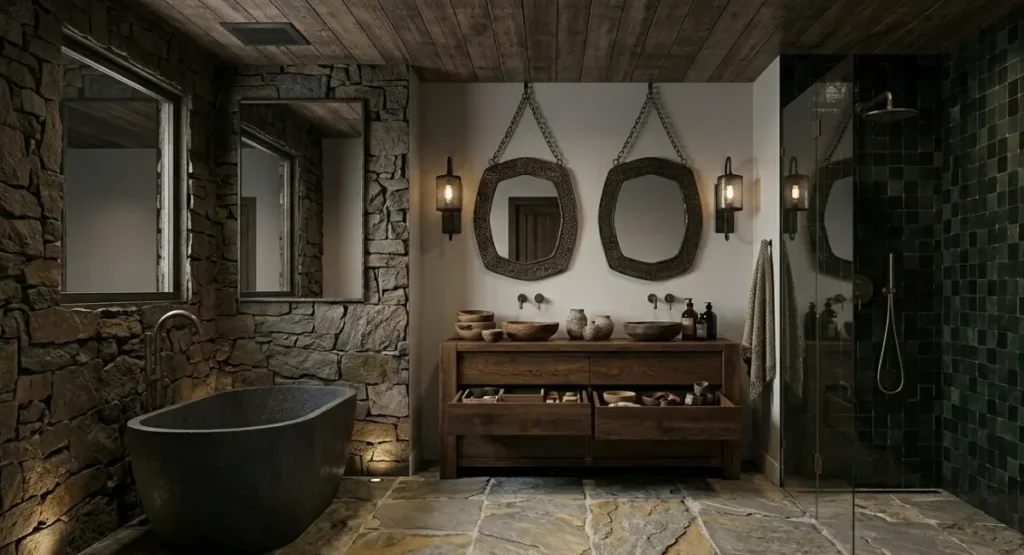
Not all bathrooms cost the same to renovate. In fact, the purpose of the space often affects pricing more than its square footage. A simple powder room differs greatly from a primary ensuite with custom features.
Therefore, reviewing cost by bathroom type gives you a clearer financial picture before selecting materials or altering layout.
| Bathroom Type | Typical Scope | Mid-Range Cost | High-End / Custom |
| Powder Room (2-Piece) | Toilet + Vanity | $10,000 – $18,000 | $18,000 – $28,000 |
| Standard Full Bathroom | Tub/Shower + Vanity + Toilet | $18,000 – $30,000 | $30,000 – $45,000 |
| Guest Bathroom | Tub or Walk-In Shower + Storage | $20,000 – $35,000 | $35,000 – $50,000 |
| Primary / Ensuite | Double Vanity + Custom Shower + Premium Finishes | $35,000 – $60,000 | $60,000 – $100,000+ |
| Basement Bathroom | New Rough-Ins + Venting + Waterproofing | $25,000 – $45,000 | $45,000 – $75,000+ |
Bathroom Renovation Cost Based On Type Of Work
Every bathroom renovation is built from individual trade components. Instead of guessing a total number, it’s smarter to understand how each type of work contributes to overall cost and project complexity.
Bathroom Tiling & Surface Installation
Bathroom tiling shapes both appearance and durability. First, you select the material. Then, installation quality determines performance. In Toronto, labour averages $12–$22 per square foot. However, larger tiles require precise leveling. Likewise, natural stone needs sealing. Therefore, the total tile installation cost bathroom rises with complexity.
Electrical Work
Electrical upgrades improve safety and usability. First, assess existing wiring. Then, plan lighting, fans, and GFCI outlets. In Ontario, new circuits require ESA inspection (esasafe.com). In the GTA, bathroom electrical work typically ranges from $1,000–$3,000. Therefore, the ESA electrical inspection bathroom is mandatory when modifying wiring.
Plumbing Lines
Plumbing controls layout flexibility. If fixtures remain in place, costs stay moderate. However, relocating drains increases labour. In the GTA, standard plumbing updates range from $1,500–$4,000. Meanwhile, moving a toilet or shower can add $2,000–$6,000. Consequently, the plumbing relocation cost bathroom rises quickly with layout changes.
Waterproofing & Moisture Protection
Waterproofing protects your structure long term. First, installers apply membranes and seal seams. Then, they slope surfaces properly. In Toronto, professional waterproofing typically costs $1,000–$3,000 per bathroom. Therefore, the waterproofing cost bathroom should never be skipped, as failure leads to mold and structural damage.
Demolition & Removal
Every renovation begins with controlled demolition. First, contractors remove fixtures and finishes. Then, they dispose of debris responsibly. In the GTA, the bathroom demolition cost usually ranges from $1,000–$3,500, depending on materials and access. However, asbestos testing or disposal increases overall expenses significantly.
Drywall & Painting
After plumbing and electrical work, walls require restoration. First, contractors install moisture-resistant drywall. Then, they tape, sand, and prime surfaces. In the GTA, drywall and finishing typically range from $1,200–$3,000 per bathroom. Finally, painting adds $600–$1,500, depending on surface preparation and product quality.
Vanity & Cabinet Installation
Vanity installation impacts both storage and plumbing access. First, you select prefab or custom units. Then, installers secure cabinetry and connect fixtures. In Toronto, prefab vanity installation ranges from $1,000–$3,000, excluding materials. However, custom cabinetry can raise the total significantly due to fabrication and finish detailing.
Shower & Bathtub Installation
Shower and tub installation defines project scope. Prefabricated units cost less and install faster. In the GTA, basic installations start around $2,000–$4,000. However, custom tiled showers range from $6,000–$15,000 or more. Therefore, fixture selection strongly influences overall bathroom renovation investment.
Ventilation & HVAC Adjustments
Proper ventilation prevents moisture buildup. First, contractors assess existing exhaust systems. Then, they upgrade fans or reroute ducting if needed. In Toronto, new bathroom exhaust installations typically range from $800–$2,500. Additionally, HVAC adjustments may increase costs if structural access or code compliance upgrades are required.
Read More: Cost of Full Home Renovation in Ontario | 2025 Guide
Major Factors Affecting Bathroom Renovation Cost
Bathroom renovation pricing does not increase randomly. Instead, specific structural and design decisions shape your final investment. Before choosing finishes, you should understand what truly drives cost in Toronto’s regulated construction environment.
Layout Changes
If you keep fixtures in place, costs stay controlled. However, once you move a toilet or shower, plumbing lines must shift. That change increases labour, inspection requirements, and permit review. Consequently, even minor layout adjustments can raise overall pricing significantly.
Structural Issues
Many older Toronto homes hide subfloor damage or outdated framing. Once walls open, surprises may appear. Therefore, reinforcement or replacement becomes necessary. In some cases, load-bearing changes require engineering input. As a result, timelines and budgets both expand beyond initial expectations.
Custom Millwork
Custom cabinetry enhances storage and design flow. Yet unlike prefab units, it requires fabrication, finishing, and precise installation. Because of that, skilled trades spend more hours onsite. Consequently, both material investment and labour coordination increase.
Radiant Floor Heating
Heated flooring improves comfort, especially during winter months. However, installation involves electrical planning, insulation layers, and thermostat integration. In addition, Ontario electrical compliance applies. Therefore, comfort upgrades also carry inspection and coordination costs.
High-End Finishes
Premium stone, large-format tile, and specialty fixtures elevate visual impact. At the same time, these materials demand careful handling and precision cutting. So while the product price rises, installation time also increases. Together, they amplify total project cost.
Smart Bathroom Tech
Digital showers and smart mirrors offer convenience. Still, integration requires coordinated wiring and system planning. Because technology connects multiple trades, scheduling becomes tighter. As a result, both labour planning and inspection steps become more detailed.
Condo vs House (Toronto Specific)
Condo renovations involve additional layers of approval. First, you must obtain building consent. Then, work must follow strict renovation policies. Limited plumbing relocation and noise restrictions affect scheduling. Therefore, compared to houses, condo projects often require tighter coordination and extended timelines.
Read More: Factors To Consider During A Bathroom Renovation in Ontario
How to Budget for a Bathroom Renovation
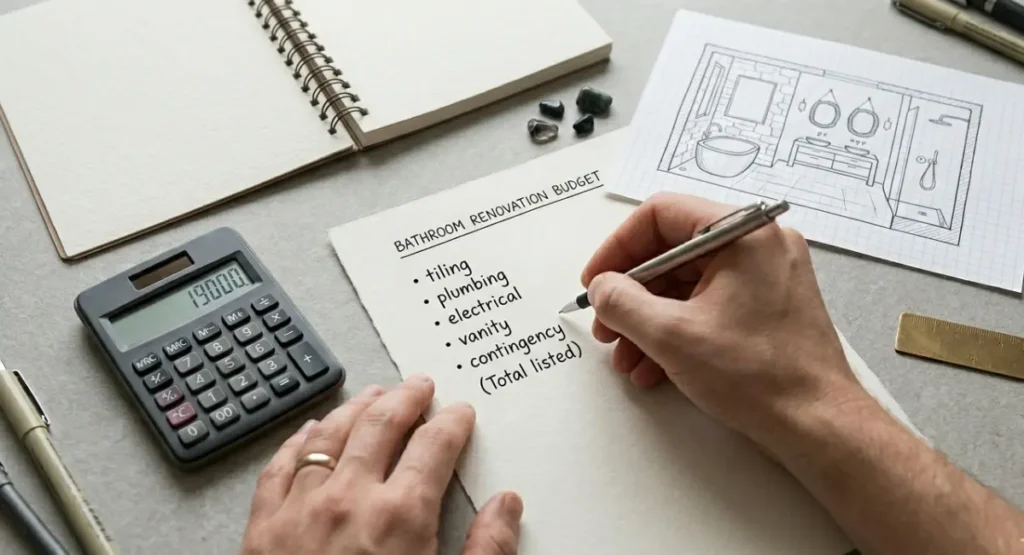
A clear budget prevents stress, delays, and financial surprises. Instead of choosing finishes first, build your plan around scope, compliance, and realistic GTA labour conditions.
1. Define Scope Before Choosing Finishes
Start by deciding how far you’re going. Are you replacing surfaces, or changing layout? If plumbing stays in place, costs remain controlled. However, once you move drains or walls, trade coordination increases. Therefore, lock in scope before selecting materials.
2. Research Real Toronto Market Ranges
Next, study current GTA labour rates. Toronto pricing reflects licensed trades, insurance, and municipal requirements. National averages often mislead homeowners. So base your numbers on local contractor data, not generic online estimates.
3. Allocate Funds by Trade Category
Break your total budget into categories. For example, separate plumbing, electrical, tiling, cabinetry, and project management. This prevents overspending on visible finishes while ignoring core infrastructure. In practice, labour often represents a significant portion of total cost.
4. Add a 15–20% Contingency Reserve
Even well-planned renovations reveal hidden conditions. Once walls open, outdated wiring or subfloor damage may appear. Without contingency funds, your project pauses. Therefore, setting aside 15–20% protects your timeline and financial stability.
5. Factor in Permits and Compliance
Electrical changes require ESA notification in Ontario. Plumbing relocation or structural changes may require municipal permits. In addition, condo projects often need building approval. These steps add cost and time, so include them early in your budget.
6. Evaluate Contractor Structure Carefully
Finally, understand how your contractor prices the job. Some separate design and construction. Others follow a design-build model with full coordination included. Transparent proposals reduce change orders. As a result, your final cost stays aligned with your original plan.
Hidden Bathroom Renovation Costs Most Homeowners Overlook
You may plan carefully and still face unexpected expenses. In Toronto and the GTA, local regulations, older housing conditions, and condo policies often introduce hidden costs that many homeowners overlook at the start.
Permit & Inspection Fees (Toronto Specific)
If you modify plumbing or structure, the city may require permits. The bathroom permit cost Ontario depends on scope and municipality. In Toronto, application and inspection fees add several hundred dollars. Therefore, always confirm permit requirements before budgeting.
Electrical Compliance & ESA Notification
When you upgrade wiring or add circuits, Ontario requires ESA notification. Inspection fees apply separately from contractor labour. As a result, electrical compliance increases your total beyond fixture installation alone.
Asbestos Testing (Older GTA Homes)
If your home was built before the 1990s, asbestos may be present in drywall or flooring. Testing is often recommended before demolition. Should removal be necessary, licensed abatement significantly increases project costs.
Subfloor or Framing Repairs
Once walls open, hidden water damage may appear. Older Toronto homes commonly reveal rot around tubs or toilets. Consequently, structural repairs extend timelines and raise labour expenses.
Condo Board Requirements
If you live in a condo, approvals become mandatory. Many buildings require deposits, insurance documents, and scheduled work hours. In addition, condo renovation approval Toronto processes may involve administrative fees and elevator booking charges.
Waste Disposal & Access Limitations
Material removal is not always simple. Downtown properties often face restricted access or limited parking. Therefore, disposal logistics may increase hauling or bin rental costs.
If you want to avoid these hidden costs, our team manages permits, inspections, and coordination from day one. Explore our Bathroom Renovation Services to see how we protect your budget and timeline.
Tips to Reduce Bathroom Renovation Costs Without Compromising Quality
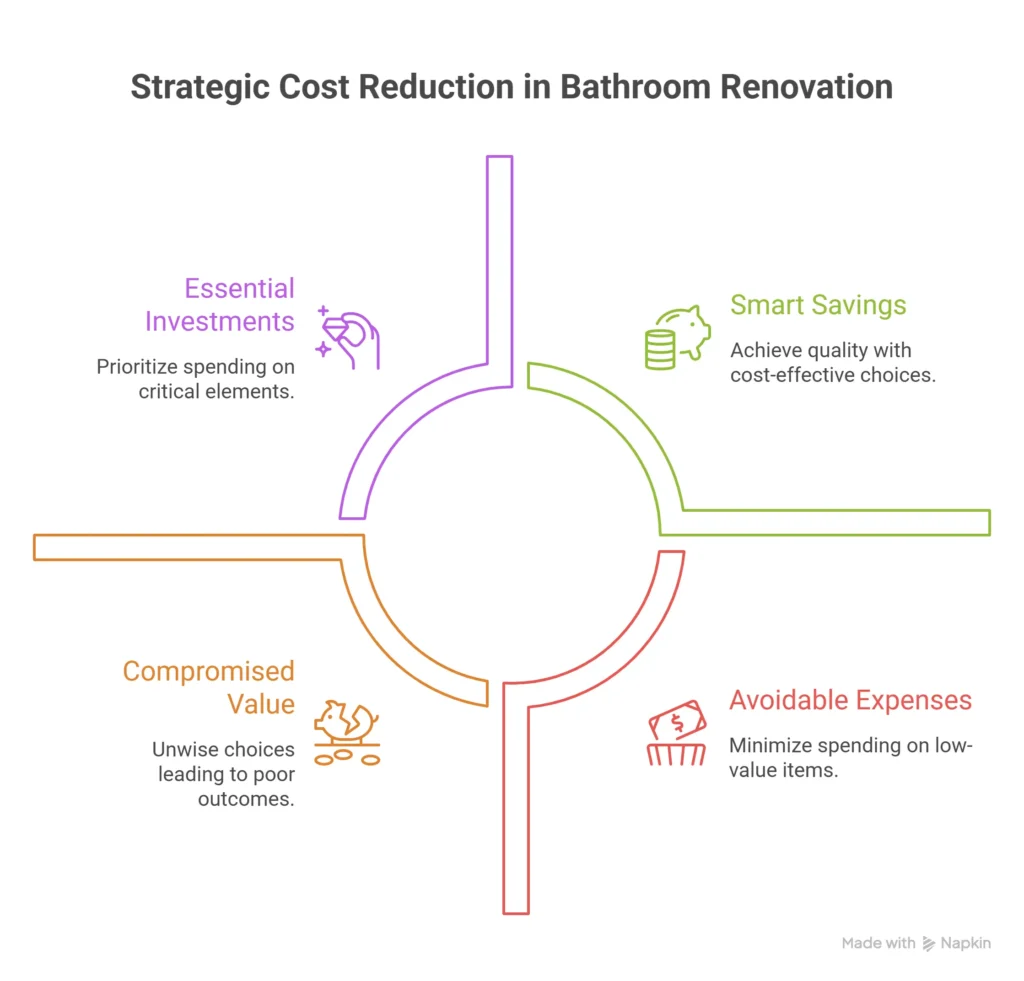
You can reduce costs strategically without sacrificing durability or compliance.
- Keep plumbing in place. Relocating drains drives up labour and inspection costs quickly.
- Select mid-range porcelain tile. It delivers durability without the premium installation demands of natural stone.
- Limit layout changes. Structural adjustments increase coordination, permits, and trade hours.
- Refinish instead of replace when viable. A solid tub or vanity frame can often be restored professionally.
- Standardize fixture finishes. Mixed specialty finishes raise material pricing and lead times.
- Choose stock vanities for secondary bathrooms. Reserve custom millwork for primary spaces.
- Avoid mid-project design changes. Change orders increase both material waste and labour rescheduling fees.
- Bundle upgrades under one permit cycle. Separate phases often duplicate inspection and administrative costs.
If you want a cost-controlled renovation without sacrificing quality, speak with our experts today. Explore our Bathroom Renovation Services and book your free GTA consultation to plan with confidence.
To Conclude
Planning your renovation without understanding real numbers often leads to costly surprises. As we’ve outlined, bathroom renovation cost Toronto projects typically range from mid-five figures upward, depending on scope and compliance requirements.
Across the region, overall bathroom renovation cost GTA pricing reflects labour rates, permits, and building type. The difference between a smooth renovation and a stressful one lies in planning and execution. If you’re ready for accurate pricing and professional management, contact RM Renovation for a detailed, transparent consultation.
How Long Does a Bathroom Renovation Take?
A cosmetic update usually takes 2–3 weeks. A full renovation with plumbing and tile work takes 3–6 weeks. Layout changes or condo approvals can extend timelines to 6–8 weeks.
How Much Does a 5×8 Bathroom Renovation Cost in Toronto?
A standard 5×8 bathroom in the GTA typically ranges from $18,000 to $30,000. Costs increase if you relocate plumbing, install custom tile, or upgrade electrical systems.
What Percentage of My Budget Goes to Labour?
In Toronto, labour often represents 40–60% of total renovation cost. Skilled trades, waterproofing, and inspection compliance drive this percentage.
Is It Cheaper to Renovate a Condo Bathroom?
Not always. While condos are smaller, restricted plumbing relocation and mandatory building approvals can increase coordination costs.
Should I Choose a Design-Build Contractor?
Design-build firms manage drawings, permits, and trades under one contract. This reduces change orders and scheduling conflicts, improving cost control.