Are you planning a renovation? Integrating security cameras now ensures a seamless, reliable system fully built into the property from the start. By planning early, you ensure your security is seamless, stable, and aesthetically integrated.
Renovating is the only time you can easily install wired security cameras without damaging your new finishes. This allows for PoE security cameras that run on a single cable, providing faster 4K data and a much more reliable connection than standard Wi-Fi.
Beyond safety, modern surveillance significantly boosts your property value and lowers insurance premiums. When you coordinate placement with your architect or contractor, you protect your investment while keeping the hardware discreet, functional, and future-proof.
Importance of Security Cameras in Modern Renovations
Security cameras matter in modern renovations because planning them early protects your space, keeps wiring hidden, supports smart systems, and saves you from costly fixes once walls are already closed.
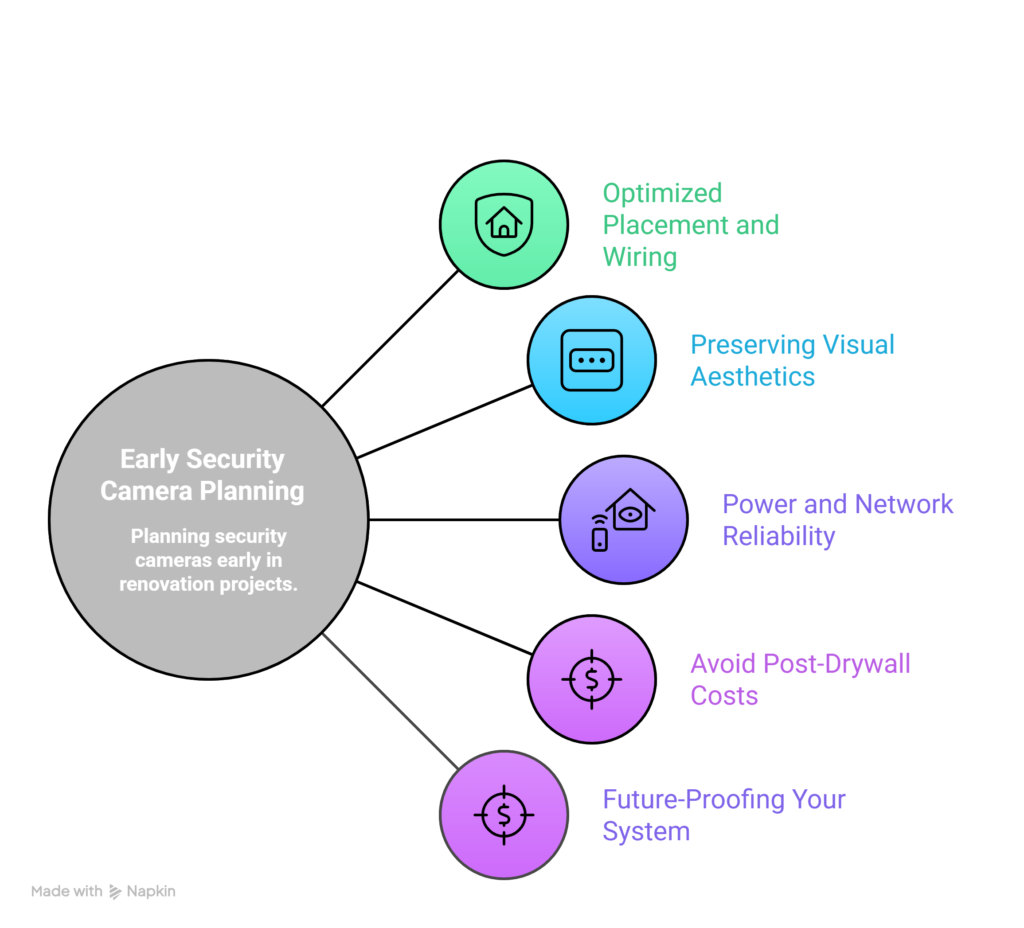
Here is more what you can expect:
1. Optimized Placement and Wiring
When your walls and ceilings are open, you have maximum flexibility. Therefore, this is the perfect moment to map out your protection strategy. Pre-wiring during this phase allows for ideal camera angles and clean cable runs without forcing any compromises later.
2. Preserving Visual Aesthetics
Most people only notice security cameras when they look out of place. This usually happens when planning occurs too late in the process. However, a proper rough-in keeps wiring hidden so the hardware feels like a natural part of the design rather than an afterthought.
3. Reliable Power and Network Foundation
If a camera lags or drops footage, it loses its primary value. This frustration often stems from poor infrastructure. During a renovation, you can coordinate power and data properly to ensure your system performs consistently and dependably.
4. Avoiding Post-Drywall Expenses
Once the drywall is up, your installation options narrow significantly. Even a small adjustment can mean reopening walls and increasing your budget. By planning now, you protect your finishes and your peace of mind as the project moves forward.
5. Future-Proofing for Long-Term Needs
Security needs often grow as your property or business evolves. When cameras are planned early, your system can expand without any structural disruption. This is the practical value of future-proofing for homes, rentals, and commercial spaces alike.
6. Eliminating Common Installation Errors
Most technical problems aren’t caused by the equipment itself. Instead, they result from rushed decisions and poor coordination. Proper planning during construction helps you resolve glare, blind spots, and interference before they become permanent issues.
Note:
When security needs to work seamlessly with your layout, finishes, and daily routines, this level of coordination is usually handled as part of a Whole-Home Renovation rather than added later as a workaround.
Strategic Advantages of Modern Security Upgrades
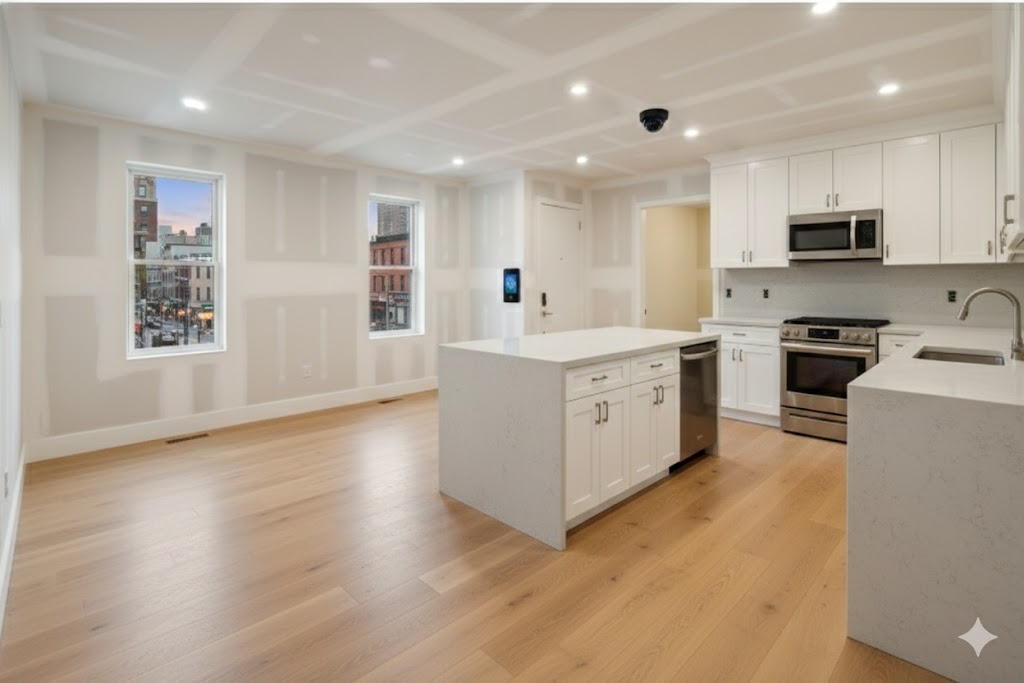
1. Increased Market Premium
In major metropolitan hubs, properties with integrated smart technology attract more attention. For instance, a professional commercial security camera installation in Toronto or a high-end residential setup can boost market value by 3% to 7%. This can add over $30,000 in value to a million-dollar property.
2. Optimized Insurance Costs
Insurance providers often view professionally monitored systems as a major risk-reduction factor. By documenting these upgrades during a renovation, you can secure premium discounts ranging from 5% to 20%. These annual savings effectively subsidize the cost of your hardware over time.
3. Proactive Asset Deterrence
Visible, high-resolution cameras serve as a powerful psychological barrier. Properties with conspicuous surveillance see a significant reduction in unauthorized access and theft. Consequently, a well-placed system becomes the first line of defense for protecting your physical investment.
4. Reliable Liability Protection
High-definition 4K footage provides the forensic clarity required to resolve disputes or insurance claims. Having timestamped, unbiased visual evidence speeds up processing and protects the owner from fraudulent accusations or “slip-and-fall” legal issues.
5. Operational Synergy
Modern cameras act as the “sensory hub” for an entire building’s ecosystem. They integrate with smart lighting and access control to automate safety routines. This synergy allows the property to react to movement automatically, providing both convenience and a proactive defense.
6. Remote Management and Oversight
Real-time mobile alerts allow you to monitor your property from anywhere in the world. This constant connectivity provides essential reassurance. Whether you are overseeing a delivery or checking property conditions, you remain fully connected to your primary investment.
To maximize your property’s protection and financial value, Sense Group offers professional security camera installation, network cabling, and smart access control. Their expert team ensures your technology is seamlessly integrated into your renovation for long-term reliability and a flawless finish.
You can explore Sense Group’s service reputation and read verified client reviews to ensure your project is handled by trusted local experts.
How to Integrate Security Cameras in Modern Renovations Plan
Well-placed security cameras protect your space while preserving design intent. The key is planning placement early, alongside finishes, lighting, and architectural details.
1. Design-First Placement
Good-looking installs start with intent. You should align cameras with existing architectural lines rather than fighting them. By planning mounts around ceiling details and exterior trims, you prevent bulky add-ons. Consequently, the space remains visually calm and avoids looking like a secondary thought.
2. Structural Concealment
Modern structures include soffits, overhangs, and ceiling transitions for a reason. You should integrate cameras into these features to avoid clunky surface mounts. This approach works best with wired security cameras that are planned before final finishes lock everything in, keeping the hardware tucked away.
3. Single-Cable Efficiency
Multiple cables create visual clutter quickly. Therefore, you should use PoE security cameras to simplify routing and reduce the number of wall penetrations. Fewer entry points mean cleaner finishes and significantly less visible hardware both indoors and out, maintaining a minimalist appearance.
4. Finish and Light Coordination
Cameras reflect light differently than walls or siding. Because of this, you must coordinate placement with fixtures and paint tones early. Matching the hardware with your exterior materials prevents glare and contrast issues. Ultimately, this keeps your security subtle instead of drawing unwanted attention.
Good to know:
When protecting your investment, security should never compromise your aesthetic vision. Since visual balance is just as vital as safety, you should prioritize this coordination during the renovation process. Specifically, it works best during Painting & Decorating Services.
Where Security Cameras Should Be Placed for Maximum Coverage
Strategic placement ensures your surveillance system leaves no blind spots. During a renovation, you can prioritize hidden security camera wiring. This allows you to maintain a clean aesthetic while maximizing protection.
1. Front Entry and Doorbell Camera Placement
Your primary defense starts here. First, position cameras at eye level to capture facial details clearly. This security camera placement guide recommends covering the porch and walkway. Consequently, you can track all incoming deliveries with ease.
2. Driveway and Vehicle Monitoring Zones
High-value assets require dedicated oversight. To achieve this, mount cameras on the soffits for a wide-angle view of the driveway. Furthermore, using discreet security camera placement helps monitor vehicles without cluttering new exterior design.
3. Side Yard and Secondary Entry Coverage
Intruders often target obscured side doors. When deciding where to place security cameras, ensure these narrow corridors are recorded. Since these paths are often hidden from the street, they are the most common routes for unauthorized access.
4. Backyard, Patio, and Rear Door Monitoring
Backyards are often vulnerable due to low visibility. Therefore, you should install wide-angle lenses to cover the entire patio. Proper wiring during your renovation ensures these cameras remain powered. As a result, they stay tamper-proof year-round.
5. Garage and Basement Entry Camera Placement
Basements and garages are frequent targets for high-value theft. Because of this, you should focus coverage on both the interior and exterior of these doors. Ultimately, ensuring every potential entry point is logged keeps your smart home and commercial spaces network secure.
Security Camera Planning for Different Property Types
Security camera placement depends on how a property is used. Each property type has predictable access points that should be covered first for effective, practical protection.
| Property Type | Where to Install Security Cameras |
| Single-Family Homes | Front door, driveway, side yard, backyard, garage entry |
| Condominiums & Townhouses | Front entry door, immediate hallway view, parking access (if permitted) |
| Rental & Investment Properties | Building entrance, shared corridors, exterior access points, parking areas |
| Retail & Commercial Spaces | Main entrance, cash counter, inventory area, rear access, staff entry |
Top Security Camera Placement Mistakes to Avoid
Most camera problems come from poor placement, not bad equipment. Avoiding these mistakes improves footage quality, reduces blind spots, and prevents frustration after installation.
- Mounting cameras too high, capturing heads instead of faces.
- Aiming cameras directly into porch lights or sunlight, causing glare.
- Pointing cameras toward the street instead of entry paths.
- Ignoring side yards and secondary doors entirely.
- Placing cameras without testing night performance.
- Relying on weak Wi-Fi locations for wireless security cameras.
- Leaving gaps with no overlapping views between cameras.
- Installing without following a security camera placement guide.
- Guessing coverage instead of planning where to place security cameras.
Professional vs DIY Security Camera Installation During Renovation
Choosing between DIY and professional installation is a major decision for your renovation journey. While off-the-shelf kits seem like a quick win, they often fall short when you need them most. In contrast, professional technicians bring the specialized expertise required to eliminate blind spots you might miss.
They excel at managing wired security cameras and PoE security cameras setups, which are far more stable than basic Wi-Fi options. By choosing an expert, you avoid the frustration of signal drops and messy wires. Ultimately, you gain a seamless, high-performance system that offers true peace of mind.
To Conclude
Modern renovations offer a rare opportunity to design security properly. When cameras are planned early, coverage improves, wiring stays hidden, and systems work reliably for years. Choices around placement, infrastructure, and wired vs wireless security cameras shape how effective the system will be long after construction ends.
Many issues come down to planning, not hardware, which is why professional vs DIY security camera installation matters more during renovation. If you’re planning security camera installation in GTA, our team can help. Book a consultation with RM Renovation to plan security the right way from day one.
Do security cameras increase insurance benefits or reduce premiums?
Some insurers view professionally planned camera systems as risk-reducing features. While discounts vary, clear footage often speeds up claims and helps resolve disputes with fewer delays.
Can security cameras be added in phases during a renovation?
Yes. Many projects pre-plan wiring and mounting points first, then install cameras later. This phased approach protects finishes while keeping options open as budgets or security needs evolve.
Are security cameras suitable for older homes and heritage properties?
They can be, when planned carefully. Older structures need thoughtful routing and mounting to protect finishes and structure, which is why renovation-stage planning is especially important.
Do security cameras need regular maintenance after installation?
Minimal upkeep is required. Occasional lens cleaning, firmware updates, and system checks ensure reliable performance, especially in outdoor environments exposed to weather and seasonal changes.