
You plan a home renovation by defining the scope, setting a realistic budget, securing permits, selecting qualified contractors, and building a structured timeline before any work begins.
A well-executed renovation is a structured process that balances cost, design, and long-term performance. Each decision, from material selection to contractor evaluation, directly influences durability and overall value.
Without clear planning, projects often face delays, budget overruns, and compliance issues during execution. Careful coordination ensures smoother delivery, especially when multiple spaces are involved. When you plan a home renovation properly from the start, you reduce risk and improve final results.
Read on to understand each step in detail on how to plan a home renovation.
How to Plan a Home Renovation Without Costly Mistakes? [12 Must-know Steps]
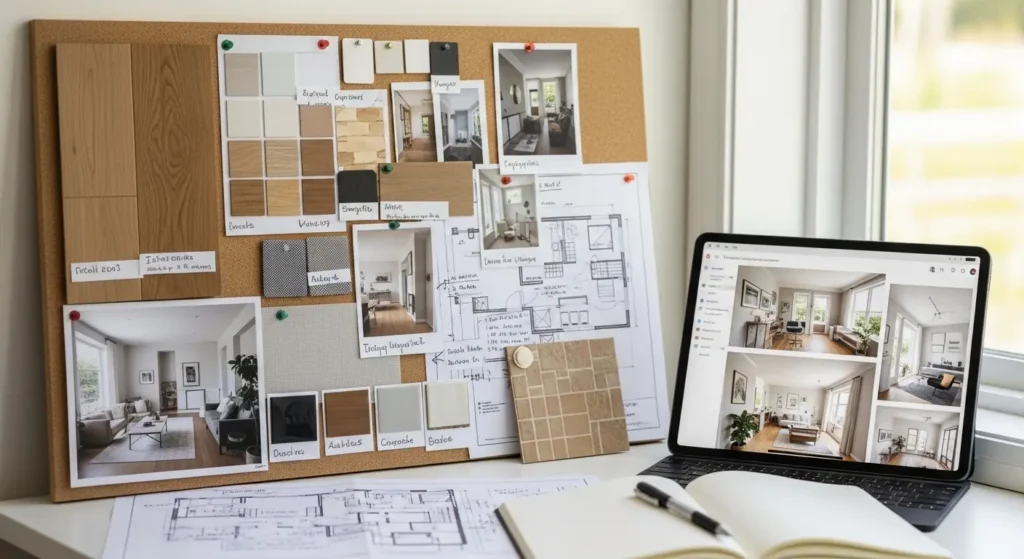
Step 1: Assess Your Home’s Current Condition
Before you plan anything, you need to know exactly what your home is telling you. Walk through every room like an inspector, seeing it fresh. Check every window for frost on interior glass, fogging between panes, and cracked frames.
Test every exterior door for bottom gaps and sticking. In Winnipeg, windows and doors account for up to 35% of total home heat loss. As your first step, create a written room-by-room condition list
Step 2: Set a Realistic Renovation Budget
Once your condition list is ready, put real numbers against every item. Always add a 15% contingency; unexpected costs appear in nearly every renovation.
Check your Canada Greener Homes Grant eligibility and Efficiency Manitoba rebates before locking any figure. These can reduce your actual out-of-pocket cost significantly. Use this as your starting point:
| Renovation Item | Cost Range 2026 |
| Window replacement (per window, installed) | C$650 — C$1,200 |
| Triple pane upgrade (per window) | C$80 — C$200 extra |
| Full home window replacement (12–15 windows) | C$8,000 — C$18,000 |
| Entry door replacement (installed) | C$1,500 — C$3,500 |
| Patio door replacement | C$2,000 — C$4,500 |
| 15% contingency buffer | Add to every project total |
Step 3: Prioritize What to Renovate First
Fix what costs you money first. In Winnipeg, failed window seals and drafty doors force your furnace to work overtime for seven straight months. According to Natural Resources Canada, reducing home draftiness is the single most important retrofit in any renovation strategy. Seal the building envelope first and then plan everything else around it.
| Priority | Renovation Area | Why This Order |
| 1st | Windows and doors | Account for up to 35% of total home heat loss |
| 2nd | Attic insulation | Heat rises — an unsealed attic cancels out new windows |
| 3rd | Finishing and insulating your lower level | Basements cause up to 20% of additional heat loss |
| 4th | HVAC and furnace | Replace after 15–20 years before efficiency drops critically |
| 5th | Updating the heart of your home | Strong ROI but only after the envelope is sealed |
| 6th | Bathrooms and bedrooms | Plan these after structural priorities are complete |
| Last | Paint, flooring, cosmetics | Never before have functional repairs |
Read More: 20 Must-know Small Bathroom Renovation Ideas
Step 4: Create a Renovation Timeline
Plan your renovation around Winnipeg’s seasons, not just your timeline. Weather and contractor availability can make or break your schedule.
Custom windows usually take 6–8 weeks to arrive after ordering. If you wait too long, you’ll miss the ideal install window. Spring and fall bookings fill up fast, so lock in your contractor early.
Also, avoid exterior work when temperatures drop below -10°C. Sealants won’t cure properly, which can lead to long-term issues.
Besides, winter is perfect for indoor upgrades like refreshing your main living spaces.
Here’s a simple way to plan your renovation throughout the year:
- January – March: Best time for indoor projects. Lower costs, easier booking.
- April – June: Start exterior prep and early installations.
- July – September: Peak season for major outdoor work. Book well in advance.
- October: Wrap up all exterior projects before the cold sets in.
- November – December: Shift back to indoor renovations and planning.
Step 5: Find and Hire the Right Contractor
Choosing the wrong contractor costs far more than the renovation itself. Verify liability insurance and Workers Compensation Board coverage before signing anything. Always demand a written quote with the full scope of work.
For window and door replacement, factory-trained certified installers prevent moisture infiltration, mould growth, and voided product warranties.
If your project spans multiple trades, tackling everything under one plan through a whole home renovation eliminates accountability gaps between contractors. Check verified reviews from real Winnipeg homeowners
Step 6: Plan Specifically for Winnipeg’s Climate
Winnipeg’s climate doesn’t just affect comfort, as it directly impacts how long your renovation materials last. Because of the extreme cold, some products hold up well, while others wear out much faster.
For example, windows, doors, and skylights can account for up to 35% of total heat loss in a home. In a city with a long heating season, that heat loss adds up quickly and drives your energy bills higher.
That’s why upgrading to triple-pane windows is a smart move. They can reduce heat transfer by up to 50% compared to standard double-pane units. Argon gas and Low-E coatings, they help keep heat inside during winter while also blocking UV rays in summer.
Since these upgrades already involve exterior work, it also makes sense to plan ahead. If you need more space, adding space to your existing footprint is worth planning at the same time.
Step 7: Understand Permits and Local Regulations in Winnipeg
Winnipeg realtors and buyers often check past work to confirm everything was built with proper permits. Completing the permit process helps ensure a smooth sale later.
Here’s what the City of Winnipeg requires:
- Same-size window and door replacement usually does not need a building permit. However, any new openings or size changes require a full permit application.
- Basement development, such as adding rooms, bedrooms, or living space, requires a permit under the Winnipeg Building By-law. In contrast, cosmetic updates like painting or flooring do not.
- Kitchen renovations, bathroom upgrades, open-concept changes, and installing new or larger exterior windows also require a building permit.
- Even if your contractor applies for permits, you as the homeowner are still legally responsible for making sure they are approved before work begins.
Step 9: Get Multiple Quotes and Compare Properly
Once priorities and timeline are confirmed, get at least three written quotes. A quote 30 to 40% below comparable bids usually means no permit is included, creating direct legal liability when you sell.
Extremely low estimates often indicate compromises in materials or quality of work. Compare scope, warranties, and permit responsibility across every quote.
If your project includes a full kitchen renovation alongside windows and doors, ensure every contractor quotes an identical scope before comparing numbers.
Step 10: Prepare Your Home Before Work Begins
Preparing before your contractor arrives prevents delays, protects your belongings, and keeps the project moving from day one. Here is exactly what to do:
- Clear all furniture at least 1 metre away from every window and door being replaced
- Remove all blinds, curtains, and window coverings before the crew arrives
- Secure pets and keep children away from the work zone all day
- Confirm parking access and a clear entry path for the installation crew
- Locate your electrical panel and main water shutoff before work begins
- Arrange an alternative workspace if you work from home that day
Note:
Planning a larger renovation beyond windows and doors? Once multiple trades are involved, coordination becomes critical.
With different teams working across rooms, poor planning can cause delays and scheduling conflicts.
A full home renovation planned upfront keeps everything organized. It aligns timelines, avoids clashes, and ensures each trade stays on track from day one.
Step 11: Do a Thorough Post-Renovation Inspection
Before your contractor leaves and the final payment is made, inspect every element of the completed work. Test every new window for smooth operation, airtight sealing, and correct lock engagement.
In Winnipeg’s freeze-thaw climate, even a small gap in exterior caulking or weatherstripping causes moisture infiltration and frame damage within one winter season. Check every door sweep, threshold seal, and frame alignment. Collect all warranty documents covering both product and installation before the crew leaves your home.
Read More: What is The Kitchen Renovation Cost? Expert Guide for 2026
Step 12: Plan for Ongoing Maintenance
Your renovation doesn’t end on installation day. After everything is in place, Winnipeg’s extreme temperature swings continue to affect your home.
With changes from -30°C to +30°C, materials expand and contract throughout the year. Over time, this can weaken seals, frames, and moving parts.
That’s why regular upkeep matters. Annual maintenance helps catch small issues early and prevents costly damage later.
- Inspect exterior caulking around all window and door frames every fall before temperatures drop below zero
- Replace worn weatherstripping on door frames before the first freeze to stop heat loss overnight
- Lubricate all hinges, locks, and handles with silicone-based lubricant once a year
- Clear the window and door drain channels of debris every spring after snowmelt to prevent water pooling
- Check for permanent fogging between window panes as this signals failed seals that cannot be repaired
- Test every window lock and door deadbolt for full engagement before each heating season
How Much Do Home Renovations Actually Add Value to Your Winnipeg Home?
In Winnipeg, renovations tend to add more value than in milder Canadian cities because energy performance matters more to buyers. When winters are long and expensive, efficiency upgrades are easy to notice and justify in a sale.
According to Remodelling Magazine’s Cost vs. Value Report 2025, Window replacement typically returns 70–85% of the cost. In Winnipeg that return can feel even stronger because buyers immediately see lower heating bills and better comfort.
Entry doors also perform extremely well. A steel front door replacement can deliver around 188% ROI, making it one of the highest-return exterior upgrades you can do.
With the average Winnipeg home valued around C$416,000, these improvements don’t just upgrade appearance. They directly protect long-term resale value and reduce ongoing energy costs.
Common Home Renovation Mistakes to Avoid
Most renovation problems are completely preventable. Here are the most costly ones:
- Doing cosmetic upgrades first, while windows and doors are still losing heat every winter
- Choosing the cheapest quote without checking what’s missing from the scope
- Skipping an EnerGuide evaluation and missing out on Manitoba energy rebate programs
- Hiring a contractor without confirming liability insurance and Workers’ Compensation Board coverage
- Starting exterior work too late when caulking can’t cure below -10°C
- Proceeding without permits creates legal issues at the time of sale
- Attempting DIY window and door installation, leading to moisture damage and voided warranties
- Accepting verbal estimates instead of a written scope of work and contract
Read More: Top 20 Flooring and Tiling Trends for 2026
DIY vs. Professional Installation: Which One Is Worth It?
DIY is fine for small cosmetic work, but professional installation is better for windows, doors, roofing, and structural jobs. It ensures proper sealing, code compliance, valid warranties, and prevents costly issues like leaks, heat loss, and future repair expenses.
Here is why hiring a certified professional contractor protects your investment:
- Professional installers ensure airtight sealing, reducing heat loss during Winnipeg’s long heating season.
- Manufacturer warranties stay valid only when products are installed by certified professionals.
- Contractors handle all required City of Winnipeg permits, protecting you during future home sales.
- Experienced installers identify hidden issues like rot, moisture damage, or structural problems before installation.
- Licensed and insured contractors cover any accidental damage during the project.
- Professional teams complete installations faster, often finishing full window and door projects in 1–2 days with minimal disruption.
To Conclude
Planning a home renovation in Winnipeg is not complicated, but it does require the right sequence.
Assess first, budget realistically, fix energy loss before aesthetics, and always hire certified local professionals. Your home faces one of Canada’s most demanding climates every single year.
The decisions you make today directly protect your comfort, your heating bills, and your home’s value for decades ahead. Get a professional, no-obligation assessment from our experienced local team at RM Renovation and make informed decisions before your next renovation step.
FAQs
1. How long does a typical home renovation take?
Most full renovations take 2–6 months, depending on project size, contractor scheduling, and material lead times, like windows or custom doors. Larger multi-trade projects can extend longer due to coordination between different work phases.
2. What is the best time of year to start a renovation?
Exterior work is best in spring and summer, while indoor upgrades like flooring, painting, and basement finishing are more efficient in winter when contractor availability is higher, and delays from weather are avoided.
3. Do I need a permit for all home renovations?
No. Simple cosmetic work, such as painting or flooring, does not require approval. However, structural changes, basement development, and installing new or larger windows or doors usually require a City building permit before work begins.
4. How much contingency should I add to my renovation budget?
It is standard to add at least 15% contingency to cover unexpected costs like hidden water damage, framing issues, or changes in material pricing during installation or permit adjustments.
5. What adds the most value during a home renovation?
The highest return usually comes from energy-efficient upgrades such as triple-pane windows, insulated exterior doors, and improved insulation systems, as they reduce heat loss and improve long-term home efficiency.
Written by Robert Milchevich, RM Renovation.